Step-by-Step Approaches to Getting Flawless Drywall Fixing and Setup
Accomplishing remarkable drywall repair work and installation calls for a systematic method. It includes understanding the different kinds of drywall and the devices essential for the job. Proper area preparation is vital before beginning any kind of work. Drywall Installation Ogden Utah. Each action, from covering holes to setting up brand-new sheets, demands focus to detail. The procedure does not end with setup; finishing techniques are critical for a refined appearance. The following steps will assure a seamless result, however exactly what do they require?
Comprehending Drywall Types and Devices Needed
The setup devices are similarly important. An energy knife is crucial for cutting drywall sheets, while a drywall saw can aid in making accurate cuts for components or outlets. T-squares assure accurate measurements, and drywall screws or nails protect the panels to wall studs. Furthermore, a drywall lift can promote the setup of big sheets, minimizing physical pressure. Familiarity with these types and devices significantly contributes to the efficiency and high quality of drywall tasks.
Preparing the Location for Repair Service or Setup
Preparing the location for drywall repair work or installment is important to ensure a effective and smooth procedure. The surrounding room must be removed of furniture and other barriers to give enough functioning area. This not only assures security yet likewise protects against damages to belongings. Next off, it is important to cover the flooring with decrease towels to catch any particles or dust generated during the work.
Additionally, the wall surfaces need to be examined for any loosened paint or wallpaper that may disrupt adhesion. Getting rid of these components produces a tidy surface area for the brand-new drywall. Prior to beginning, it is suggested to shut off power to electric outlets or components in the vicinity. Guaranteeing appropriate lights in the work space will further boost visibility and focus during the repair work or installation procedure. drywall contractors. By diligently preparing the location, one lays the groundwork for a successful drywall project
Step-by-Step Refine for Patching Holes
:max_bytes(150000):strip_icc()/SPR-solutions-to-common-drywall-problems-p2-4120949-hero-c15a37669eae45478eca0cf15b34a1d1.jpg)
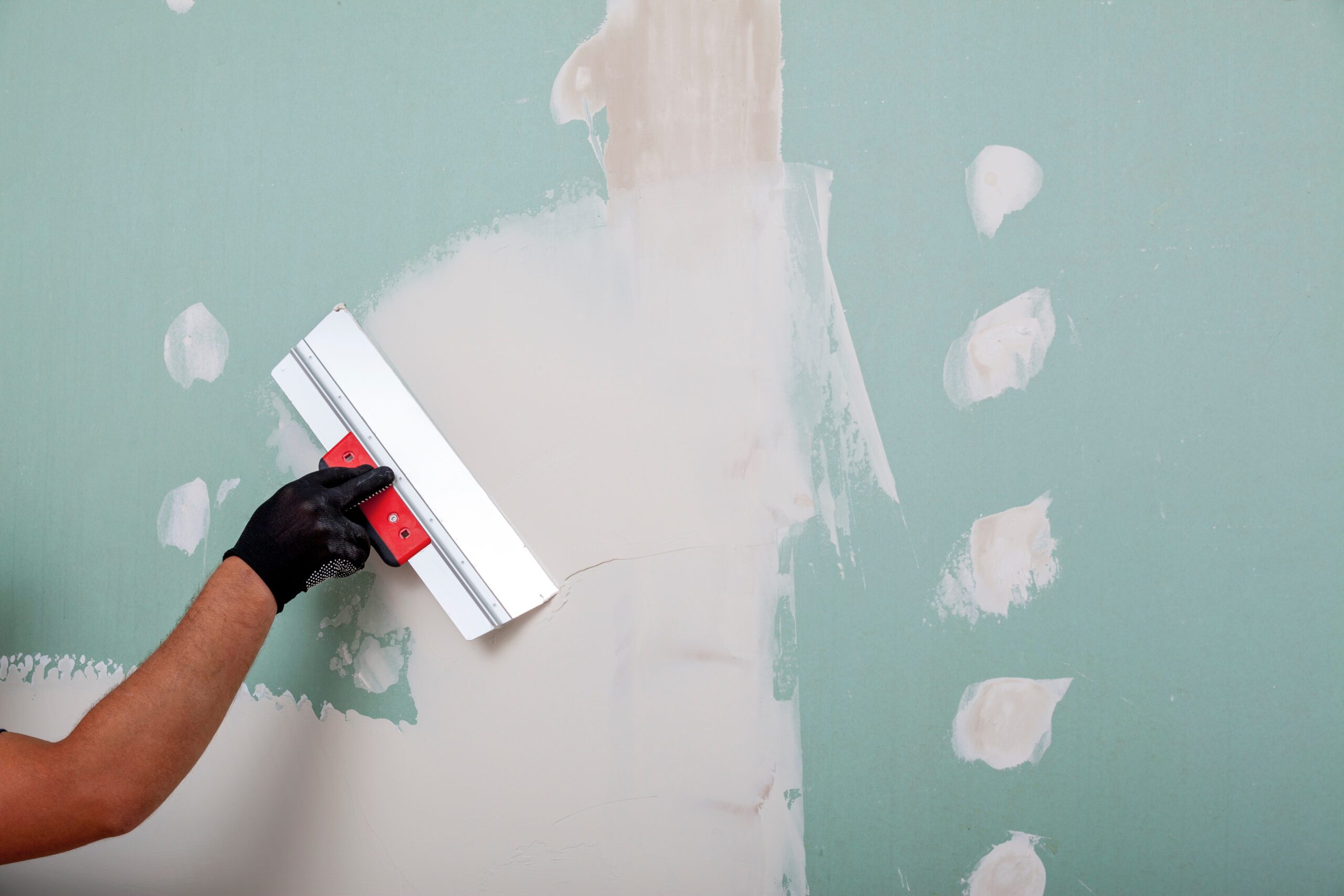
Covering holes in drywall needs a methodical strategy to ensure a smooth repair. The first action includes reviewing the size of the opening. For tiny holes, a patching compound might be sufficient, while bigger openings require a patch. Next, the damaged area ought to be cleaned up and prepared by eliminating any type of loosened debris.
For small holes, applying spackling compound with a putty blade is suggested, smoothing it over the hole and feathering the edges. As soon as dry, fining sand the area guarantees a smooth surface. For bigger openings, a drywall patch ought to be reduced to size, positioned over the hole, and secured with screws. After mounting the patch, the very same spackling procedure is duplicated, adhered to by sanding.
Ultimately, the patched area needs to be keyed and repainted to match the bordering wall surface. This precise process guarantees an expert look and expands the lifespan of the repair work.
Installing New Drywall Sheets: A Comprehensive Overview
Mounting brand-new drywall sheets needs cautious preparation and execution to assure a visually appealing and tough finish. Initially, the location needs to be measured properly to determine the number of sheets required. It is essential to choose the ideal thickness, commonly 1/2-inch for indoor wall surfaces and 5/8-inch for ceilings or fire-rated applications.
Next off, the studs or framework should be inspected for any kind of irregularities, making certain they are straightened and appropriately spaced. When positioning the drywall sheets, they should be positioned horizontally to reduce joints and enhance architectural integrity. A drywall lift can be advantageous for overhanging setups.
Securing the sheets with drywall screws at ideal intervals makes certain a secure setup. It is essential to countersink the screws a little listed below the surface area to plan for the finishing procedure. Adhering to these guidelines will cause a strong foundation, all set for the following actions in drywall completing.
Completing Touches: Insulation, Mudding, and Sanding Techniques
When the drywall sheets are firmly fastened, the emphasis changes to the finishing touches that will offer a sleek look. This procedure begins with taping, utilizing either paper or fiberglass harmonize tape to cover the joints in between sheets. The tape ensures a smooth change, decreasing the danger of fracturing. Following taping, mudding is essential; a joint substance is used over the tape to load gaps and produce a smooth surface area. Usually, multiple coats are necessary, each one feathered out better than the previous to reduce presence.
After adequate drying time, sanding is the final step in attaining a flawless finish. A fine-grit sandpaper is used to smooth the dried substance, ensuring there are no bumps or flaws. Attention to information during this phase is significant, as it greatly impacts the total look of the wall surface. The end outcome ought to be an even, professional-looking surface all set for priming and paint.
Often Asked Questions
How Do I Pick the Right Drywall Density for My Project?
To pick the ideal drywall thickness, consider the project's function, area, and architectural demands. Requirement densities consist of 1/2-inch for basic use and 5/8-inch for fire-rated applications, guaranteeing durability and compliance with building ordinance.

Can I Mount Drywall Over Existing Drywall?
Yes, setting up drywall over existing drywall is possible. It is important to assure the underlying surface area is complimentary and safe and secure from damages. Appropriate attachment and consideration of density are essential for an effective setup.
What Are the very best Practices for Drywall Disposal?
The very best techniques for drywall disposal consist of reusing when possible, using regional waste monitoring solutions, and adhering to guidelines for dangerous products if applicable. drywall contractors. Appropriately labeling and sealing waste guarantees compliance and safety and security throughout disposal
The length of time Should I Wait for Mud to Dry Before Fining sand?
Generally, one ought to wait 1 day for drywall mud to dry before sanding. Drying time can vary based on moisture and temperature, so checking for a firm appearance is a good idea before proceeding.
Are There Eco-Friendly Drywall Options Available?
Yes, environment-friendly drywall choices are readily available. These alternatives typically use recycled here products, low-VOC adhesives, and lasting production techniques, lowering ecological impact while supplying effective insulation and toughness for different construction and remodelling projects.
An utility knife is essential for cutting drywall sheets, while a drywall saw can assist in making accurate cuts for electrical outlets or fixtures. Preparing the location for drywall repair work or setup is important to assure a effective and smooth procedure. Patching holes in drywall calls for a methodical strategy to guarantee a smooth repair work. Installing new drywall sheets requires mindful planning and implementation to assure a visually appealing and durable coating. Yes, setting up drywall over existing drywall is feasible.